

Having a green, healthy lawn is important to many homeowners. But not everyone has the time or equipment to do it themselves. This is where a lawn care business comes in.
A lawn care business provides lawn maintenance services – like mowing grass, trimming hedges, and blowing leaves – to help keep yards looking tidy and green.
The industry is very large and still growing. For example, Americans own about 40–50 million acres of lawn, and they spend on average over $600 a year on their yard. It means there is strong demand for lawn maintenance services.
Many people own lawns and want them to look nice, so lawn care can be a good business. LawnStarter projects the industry will keep growing about 3.6% per year.
In this guide, we’ll explain how to plan your Lawn Care Business, estimate startup costs, choose equipment, find clients, and grow your lawn care business.
By following these steps, you can turn mowing lawns into a rewarding and profitable career.
Table of Contents
1. Make a Plan for Your Lawn Business
The type of mower you use makes a big difference. Here are some hill mowing techniques by mower type:
1.1. Simple Business Plan

Before you start mowing, make a simple business plan. A lawn business plan helps you think through daily operations and how you’ll earn revenue. Write down:
- Your Goals
- Budget
- Marketing Ideas
- What Services You Will Offer
Plan for growth by forecasting income and expenses. Lawn care plans often include three years of projections so you can see how many customers you need for profit.
1.2. Decide What Lawn Care Services To Offer
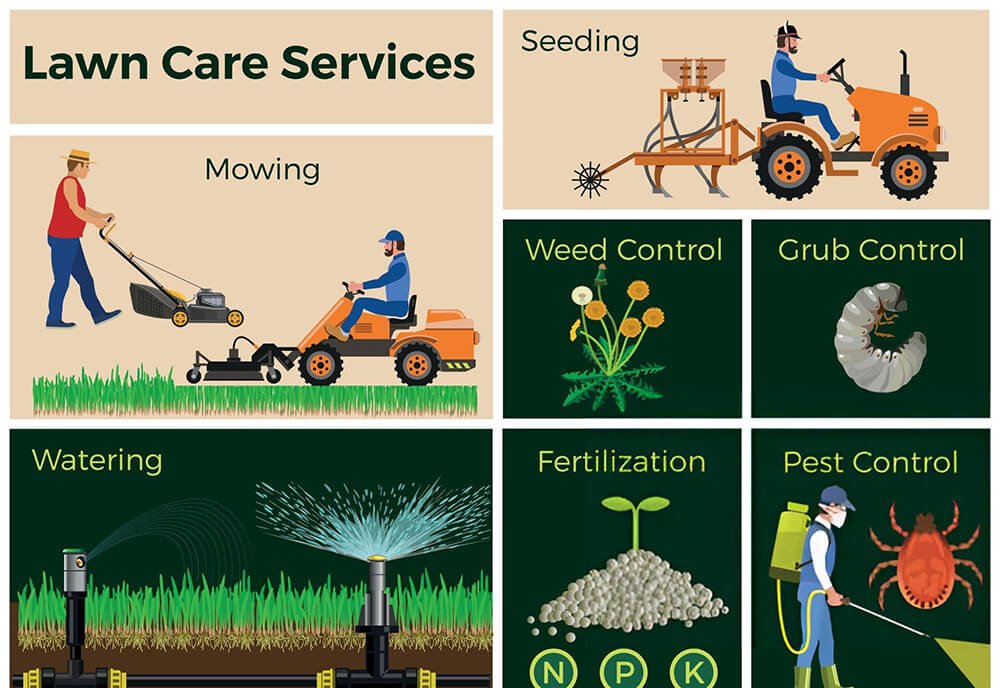
Most new businesses start with basics like mowing, trimming, and edging. You might also offer lawn fertilization, weed control, seeding, or other treatments.
Don’t try to do everything at once – start with the services you can manage, then add new ones as you grow.
For example, you can plan to offer mowing and edging first, then later add aeration (making small holes in the soil) or pest control.
1.3. Think About Your Customers

Will you serve residential yards, commercial properties, or both?
Residential lawn care means mowing home lawns and smaller jobs. Commercial lawn care includes businesses, office parks or apartment complexes that need larger or regular maintenance.
Commercial contracts often pay more and run year-round, but they require bigger equipment and crews. Residential clients are usually easier to get at first and let you build your reputation.
1.4. Name And Register Your Lawn Business
Pick a catchy, clear name that reflects lawns or service (like “GreenThumb Lawn Care” or similar).
You should make sure the name is not already in use in your area. Register it with your city or state if needed.
This step can give your business a legal foundation. A simple, written plan is a roadmap that will guide your decisions and help you grow

2. Costs and How to Pay for Them

Every business has costs. For a lawn care startup, the biggest expenses are equipment, marketing, and licensing.
Expect to spend roughly $5,000–$10,000 to get started. It covers things like a quality mower, trimmer, blower, and edger. You’ll also need a way to transport gear (a trailer or pickup truck).
If you already own a mower, you might start for as little as a few hundred dollars, but realistically, plan for several thousand.
Key Startup Costs May Include:
- Equipment: A commercial-grade mower, trimmer, edger, leaf blower, and other tools. Buying new equipment can cost $5,000–$8,000.
- Vehicle/Trailer: A truck or trailer to carry your mower. If you don’t have one, a used pickup can be $5,000–$15,000 or more, and a trailer $1,000–$3,000.
- Insurance: Liability and workers’ comp insurance are required if you hire help. Expect about $550 per year for general liability and roughly $1,700 per year for workers’ comp for a small crew. These averages show you should budget a few hundred dollars per year for coverage.
- Fuel and Maintenance: Gasoline for your mower and truck. For example, running a gas mower can use about $7 of fuel per hour. Also budget for oil, parts, and routine tune-ups.
- Marketing: Basic advertising can cost $100–$500 (for a simple website or flyers) plus online ads or local ads ($200–$2,000 per month). You can start with free methods (social media, signage) and invest more once you have paying customers.
- Licenses & Permits: Business registration and any special licenses. Registering a business name or LLC is usually $50–$150. If you plan to apply pesticides or fertilizers, many states require a special license (for example, Florida’s applicator license is about $150).
2.1. How to Start a Lawn Mowing Business With No Money

If you have almost no budget, start as lean as possible.
You can use your own lawn mower or borrow one. Advertise with free or cheap methods: put out flyers or door hangers in your neighborhood, post on free community Facebook groups, and ask neighbors if they need a trim.
An introductory discount to get your first customers. Do one yard well and ask the homeowner to spread the word. By saving your earnings and scaling up slowly, you can build your business without a large upfront loan.
2.2. How to Price Lawn Care Services

Setting your rates is key to making money. You can charge by the hour, set a flat rate per job, or offer a subscription (weekly or monthly) for regular service.
There are two common pricing strategies: cost-plus (adding a profit markup to your costs) or value-based (setting a price based on what customers will pay). Research local competitors’ rates so you stay competitive.
For example, you might charge $30–$50 per hour for mowing or a flat $75–$150 per small lawn, depending on size.
You should always explain your pricing clearly so customers understand what they are paying for. Make sure your rates cover labor, fuel, supplies, and still leave room for profit.
3. The Tools and Equipment You Need
3.1. What Equipment Do I Need to Start a Lawn Care Business?

When starting, get the basics. You’ll need at least:
- Lawn mower: A durable push mower (about a 21″ cutting deck) is fine for small yards. For larger jobs, a commercial walk-behind or a zero-turn ride-on mower is ideal.
- String trimmer (weed eater): To trim grass around trees, fences, and edges where the mower can’t reach.
- Edger: A tool with a blade to create clean borders along sidewalks and driveways.
- Leaf blower: To clear grass clippings and leaves after mowing.
- Safety gear: Ear and eye protection, gloves, and sturdy boots for whoever is working.
- Transport: A truck or trailer large enough to haul your mower and tools to each job.
You can start with simple versions (like a push mower and manual edger) and upgrade later. It is key to to have reliable, sharp tools so you do the job efficiently and safely. Keep your equipment clean and blades sharpened for the best results.
3.2. Upgrading to Efficiency: The Bestin Mower’s Remote Control Mower

Technology is changing lawn care. One example is Bestin Mower’s remote-controlled lawn mower.
These mowers let you cut grass on steep or rough terrain from a safe distance. Industry experts note that remote-control mowers can handle slopes and uneven ground that a regular mower can’t. It means you can add customers with tricky lawns that others avoid.
Remote-control models also reduce operator fatigue and risk – you stand safely away while the machine does the hard work. For example, some professional remote mowers can clear up to 3,000 m² per hour and tackle 55° slopes.
For lawn care business owners, it is a smart investments that buying a remote-control mower as you grow. It boosts productivity (you can do jobs faster and in more places), improves safety, and becomes a unique selling point.
Many clients will be impressed that you use modern equipment, and it can help your business stand out. While you should first master the basics, consider adding a remote-control mower once you’re ready to take on larger or more difficult contracts.
4. Rules, Laws, and Insurance
You must follow certain rules when running a lawn care business.
4.1. Lawn Care Business Insurance Cost

First, insurance is a must. Most small lawn services carry general liability insurance to cover accidents or property damage, and workers’ compensation insurance if you have employees.
Insurance brokers report average lawn care liability insurance costs about $46 per month (around $550/year) and workers’ comp about $143 per month (about $1,700/year). These are averages, but they show you should budget at least a few hundred dollars per year for coverage. If you hire any help, workers’ comp is mandatory in most states.
Liability insurance is often cheaper than expected (many policies run under $1,000/year) but it protects you if something goes wrong on a job.
4.2. Business Licenses And Permits

You also need business licenses and permits. Register your company name and get a local business license (this can range from $50 to a few hundred dollars depending on your area).
If you create an LLC or formal company, there will be a filing fee (around $100).
Many states require a special pesticide or fertilizer license if you spray chemicals: for example, Florida charges about $150 for a pesticide applicator license.
Always check with your city or state government to see what licenses you need.
5. How to Write a Lawn Care Contract

A written service agreement protects both you and the customer. Your lawn care contract should list:
- Exactly What You Will Do, (For Example, Mow, Trim, Edge),
- How Often,
- And What You’Ll Charge.
- Include Start And End Dates,
- Payment Terms (Due Dates, Late Fees),
- And Who Is Responsible For Materials (Like Fertilizer Or Mulch).
- It Should Also State That Your Business Has Insurance
- And What Happens If Service Is Canceled.
Keep contracts simple and clear – for many regular clients, a one-page agreement or even a confirmed email of services is enough to avoid misunderstandings.
Having a contract (even a short one) makes sure you and the customer agree on expectations before any work begins.
6. Finding Your First Customers

Getting customers as a new lawn care business is mostly about local marketing and word-of-mouth. Here are some effective, low-cost ways to find your first clients:
- Flyers and Door-Hangers: Print simple flyers or door hangers with your services and phone number.
- Online Presence: Create a basic website (even a single page) listing your services and contact info. This can cost $100–$500 to set up. One source advises focusing on Google Business and local SEO for new lawn businesses.
- Social Media: Fill out every social media profile completely. Create a Facebook or Instagram page for your business and post photos of your work.
- Yard Signs and Vehicle Graphics
By combining online tools with traditional marketing, you’ll get on the radar of local homeowners. Remember to be consistent: update your website, respond to Facebook messages, and ask every happy customer to leave a review or tell a friend.
7. Doing the Job Right: Lawn Care Basics
When you get a lawn care job, doing quality work will earn you repeat customers. Here are some basic techniques:
7.1. Mowing Patterns
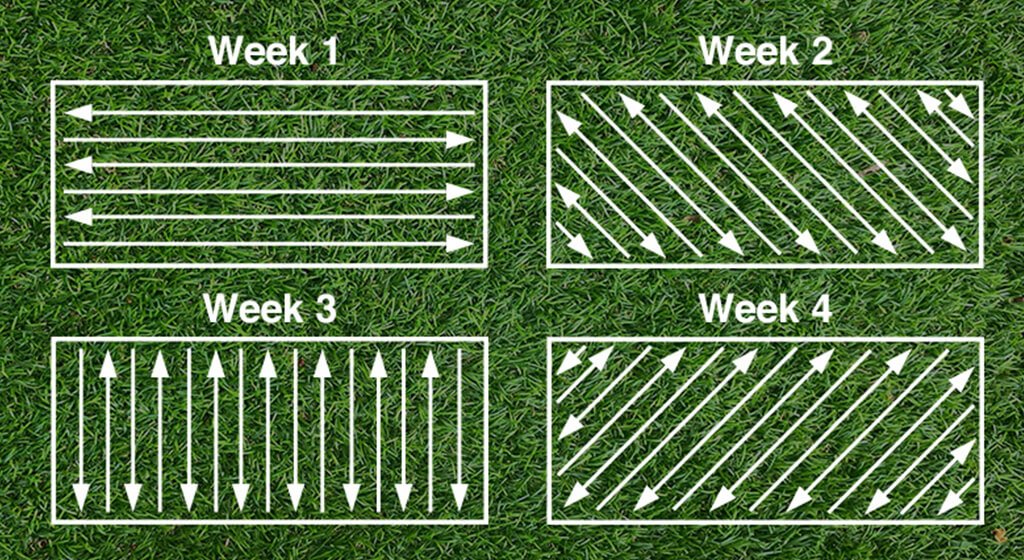
Start by mowing the edges of the lawn 2–3 times to create a clean border. Then mow in straight, overlapping rows across the yard to cover the area efficiently.
It creates a stripe pattern and ensures no grass is missed. Always overlap each pass a little so you don’t compact the same line twice.
7.2. Mowing Tips

Mow dry grass if possible to avoid clumping. Follow the “one-third rule”: never cut more than one-third of the grass blade at a time.
Keep your mower blades sharp and set the deck at the recommended height (usually mid-position). Sharp blades give an even cut and a healthier lawn.
The golden rule is: mow dry, mow high, mow sharp. It means mow when the grass is dry, leave it a bit taller in hot weather, and always use a sharp blade.
7.3. Trimming and Edging

After mowing, use a string trimmer (weed eater) to tidy up areas the mower missed, like around trees, flower beds, and fence lines. This evens out the lawn.
Use an edger along sidewalks, driveways, and garden beds to slice a clean, straight line between grass and non-grass areas. Clean edges make a yard look neat and professional.
The difference is: trimming cleans up tight spots, while edging creates a crisp lawn border. Both together make the lawn stand out.
8. Seasonal Lawn Care Schedule
Following a seasonal care schedule keeps lawns healthy year-round. Adjust your services by season:
8.1. Spring

Remove debris and leaves that accumulated over winter. Start mowing as soon as the grass begins to grow, but on a higher setting at first.
Apply pre-emergent weed control and a light spring fertilizer to encourage strong growth.
Repair any bare spots with grass seed, and consider aerating compacted soil as temperatures warm.
8.2. Summer
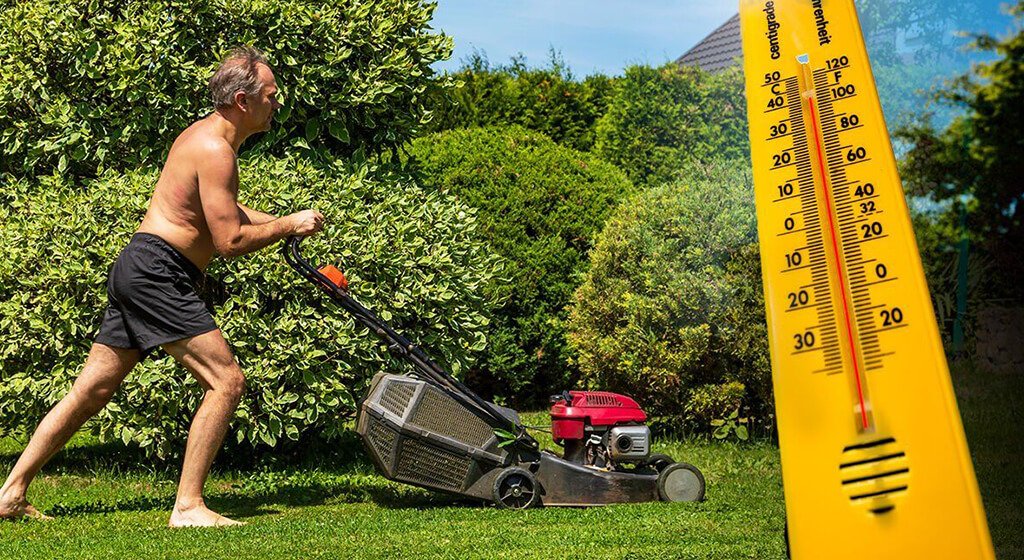
Raise the mowing height slightly to help grass survive heat and drought. Water deeply during dry spells (about 1–1.5 inches per week).
Check for pests and treat if needed. Test your soil every few years and adjust nutrient levels if necessary.
8.3. Fall
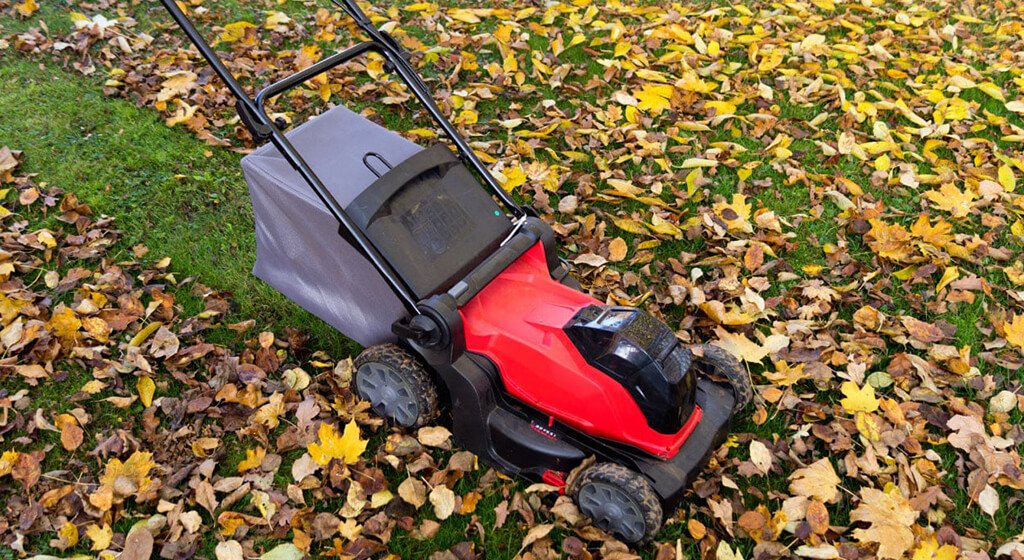
Rake and remove fallen leaves weekly to prevent smothering the grass. Fall is the best time to overseed cool-season lawns and apply a fall fertilizer.
Fertilizing about 6–8 weeks before the first expected frost helps roots strengthen for winter. Treat broadleaf weeds when temperatures are still mild.
9. Growing Your Lawn Care Business
Once you have regular clients, you can expand. Here are key steps to grow beyond a one-person operation:
- Hiring Your First Employee: Hire help when you can’t handle all the work yourself. Once hired, train them on your mowing patterns and customer service.
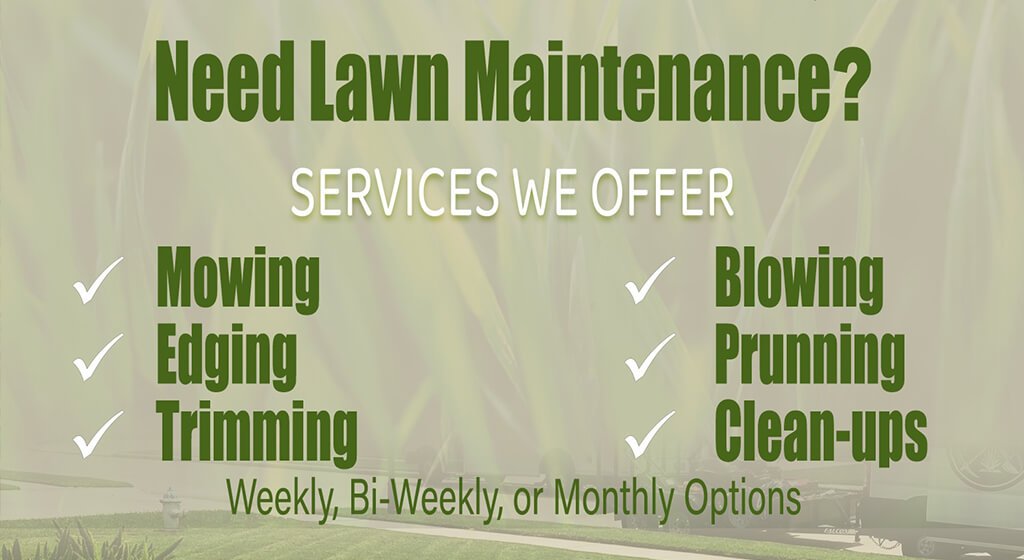
- Adding New Services: Consider offering additional services to increase revenue. Many lawn businesses expand into landscaping (like planting, mulching, or constructing flower beds) or yard clean-ups. You could offer snow removal in winter, tree trimming, hedge pruning, or pest control. For example, common add-ons include spring/fall cleanups, seasonal color planting, and even mosquito spraying. Each new service attracts different customers and keeps work coming in off-season. Start small and add one service at a time as you learn and invest in any necessary tools or training.
- Using Software and Systems: As you grow, stay organized with software. Lawn care scheduling software (like Jobber or LawnProGuide) helps plan routes, send quotes, and invoice clients.
By hiring good help and offering more services, your yard care business can serve more customers. Combined with smart management tools, you’ll have time to keep quality high while profits rise.
10. Challenges and How to Overcome Them
Like any business, lawn care has challenges. Here are a few and ways to handle them:
10.1. Heavy Competition

Many people start mowing businesses (because it’s relatively easy to start), so your area may have many companies. Don’t just compete on price.
Find a way to stand out: maybe offer organic lawn treatments, handy package deals, or exceptional customer service. A personal touch (remembering a customer’s preferences) can also win loyalty.
10.2. Slow Season

In winter or during extended droughts, mowing demand drops. Plan for this by saving money during the busy months.
Also offer off-season services: for example, snow removal, holiday light installation, or fall cleanup. This keeps some income coming when grass isn’t growing.
10.3. Equipment Breakdowns

Mowers and tools can break unexpectedly. Schedule regular maintenance (oil changes, blade sharpening) to prevent this.
Keep spare parts (spark plugs, belts) on hand. If something does break, fix it quickly or rent a replacement so you don’t miss jobs.
10.4. Customer Relations

Not every customer is easy. Stay professional and polite, even if someone complains. If a customer isn’t happy, listen and fix the issue promptly.
Most customers appreciate honesty and good service – that’s the best way to turn a problem into a satisfied customer.
11. Conclusion
Starting a lawn care business is all about planning, hard work, and consistent quality.
Remember the key steps:
- Write A Simple Business Plan,
- Sort Out Any Permits And Insurance,
- Buy Reliable Equipment, And Then Go Out And Find Customers.
The grass won’t wait! Take advantage of the demand for lawn care in your area. With the advice above, you can launch your lawn care startup today.
Soon you’ll be enjoying the freedom of running your own business while helping neighbors have greener, cleaner lawns.
Good luck and happy mowing!